
The Evolution of the Clerk
Before we had software, we had people. Specifically, we had the clerk.
In the shops, hotels, railroad offices, and merchant houses of the 19th and early 20th century, the clerk was the person who kept everything moving while the owner focused on the work itself. They handled the front counter — answering questions, explaining options, guiding purchases, and noting what customers came in for. They were the first point of contact and the last line of service.
They did not replace the owner. They made the owner's work possible.
A Name Born from Exhaustion
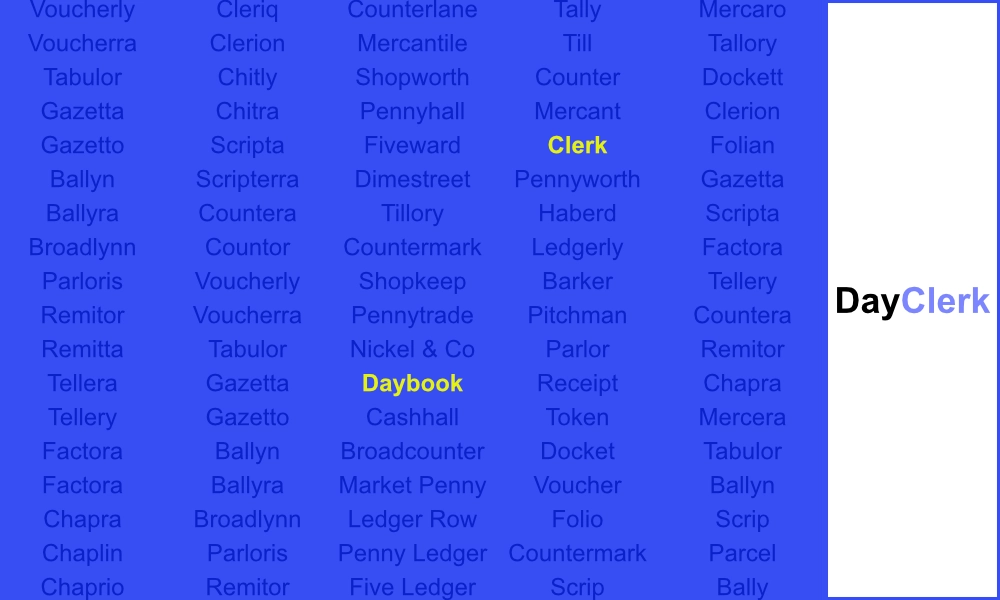
The name DayClerk was born from a desire to capture that historical spirit of service in a modern way. Arriving at it was no small feat — our team went through an exhaustive, months-long exercise, researching hundreds of names, combinations, and historical references. We looked for a title that felt both industrious and reliable.
While "DayClerk" is a creative approach to this naming challenge, it perfectly encapsulates our vision: a dedicated, front-of-house presence that manages the light of day — the active, operational hours of your business — so you don't have to. As ZipRecruiter describes it, the day clerk has a "focus on sales, inventory, or administrative duties."
The Problem We Are Solving Is Not New
Most small business owners are not struggling because they lack ambition or skill. They are struggling because running a business requires a split attention that is almost impossible to sustain. You are expected to be an expert in your craft while simultaneously being an expert at finding, reaching, and converting the customers who need it.
Marketing is a full-time job on top of a full-time job. A great clerk understood what customers wanted before they said it out loud. That is exactly what behavioral simulation is built to do.
Why Simulation Fits the Metaphor
A good clerk did not just take orders — they read the room. They knew which customers were browsers and which were buyers. They understood what objections were likely, which promotions would land, and what needed to be said — and what was better left unsaid — to move someone from interest to action.
DayClerk's simulation does something structurally similar. Before you spend a dollar on a campaign, it models how your defined audience segment will think and behave when they encounter your page. What motivates them. Where they will hesitate. What they need to see before they act.
It does not replace your judgment. It informs it — the way a trusted operator would, before the doors open.
Always On, Always Operational
The historical clerk worked a shift. Ours does not clock out.
Once your campaign is live, DayClerk continues working. The Page Optimizer watches performance, surfaces recommendations, and — on Agency plans — applies eligible improvements automatically. The Daily Briefing lands in your inbox every morning with a summary of what happened while you were focused on everything else.
The goal is the same as it always was: let the operator handle the front of house so the owner can focus on the craft.
A Name That Makes a Promise
We chose this name because it says something specific about what we think software should do for small business owners. Not automate them out of their work. Not generate generic content and call it a campaign.
It should act as the trusted person in the room who knows the business, understands the customer, and handles the daily work of connecting the two — so you can spend your time doing what you actually came here to do.
That is DayClerk. And that is what we are building.