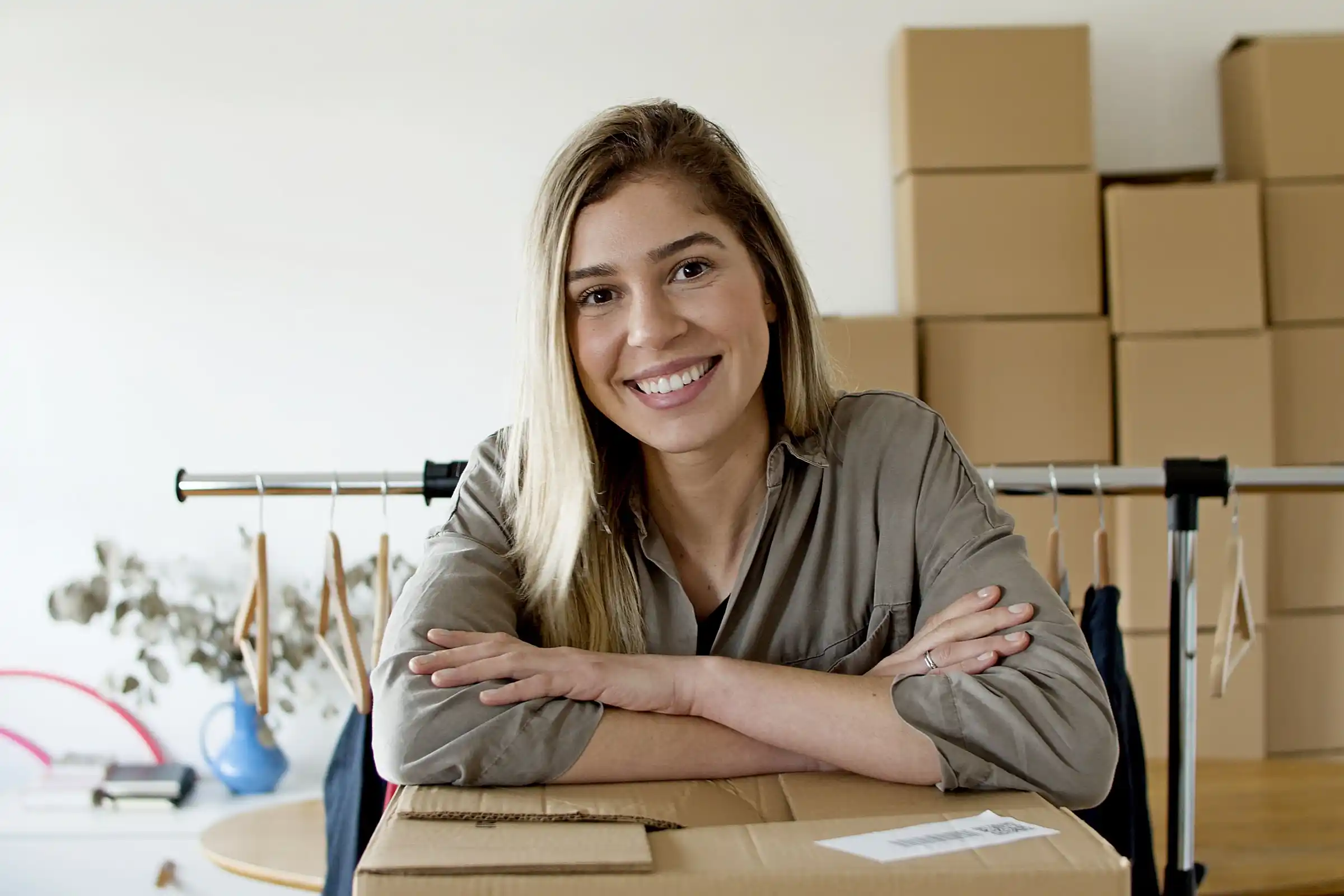
Small Business Saturday is taking place on November 28th, and it's one of the biggest opportunities of the year for local businesses to bring in new customers and build loyalty with existing ones. The question every owner should be asking right now is simple: are you prepared to bring more foot traffic to your business?
The businesses that win on this day aren't necessarily the ones with the biggest discounts. They're the ones that plan ahead, understand their customers, and create an experience worth showing up for.
Turn the Day Into an Experience, Not Just a Sale
Some of the most successful retailers are already planning creative strategies to captivate customers well before the day arrives. Rather than relying solely on markdowns, they're offering free samples, hosting in-store activities, and reframing Small Business Saturday as an experience rather than a transaction. This shift matters because shoppers increasingly respond to moments that feel memorable, not just affordable.
The businesses that treat Small Business Saturday as an experience — not just a sale — tend to build the kind of buzz that keeps customers coming back long after the day ends.
Whatever approach you take, the key is to start promoting your offer now. Building curiosity on social media ahead of time gives customers a reason to mark their calendars, and partnering with fellow local businesses to offer joint rewards can extend your reach without stretching your budget.
Start Collecting Leads Before the Big Day
Once you've decided on your approach, the next step is building a landing page to drive traffic from your paid ads and social posts. This gives you a central place to capture interest, collect contact information, and start building a list of engaged customers before Small Business Saturday even begins.
But before you start creating content for that landing page, it's essential to define your target customer segments — their needs, what drives them, how they navigate your site or store, and how they make buying decisions. Skipping this step often means spending time and money on messaging that doesn't actually resonate with the people you're trying to reach.
Segments vs. Personas: Why the Difference Matters
This goes far beyond traditional buyer personas. A persona answers a basic question: who is this person? A segment answers something more actionable: how does this group behave in this specific context? For campaign strategy, that behavioral signal is far more valuable than a generic profile, because it tells you what will actually move someone to act.
Craft Messaging That Speaks to Each Segment
Once your segments are defined, the next step is crafting tailored messaging for each one. For an offer to truly land, every segment needs an experience that meets its specific needs and guides it toward converting. A single generic message might reach everyone, but it rarely convinces everyone.
Treating all customers to the exact same experience means leaving money on the table. The businesses that take the time to tailor their messaging — even in small ways — tend to see stronger engagement because customers feel like the offer was actually built for them.
Making This Work Without a Big Team or Budget
Of course, doing all of this — segmenting customers, tailoring messaging, building landing pages — takes time and resources that many small businesses simply don't have. That's the exact problem that led to the creation of DayClerk.
In 15 minutes or less, DayClerk lets you validate your offer against your customer segments before your campaign goes live, and then generates all of your marketing assets based on that analysis. It's designed to give small business owners the same strategic edge as larger companies, without requiring a marketing team or weeks of planning.
Give it a try at dayclerk.com/demo to create a free landing page test based on your offer — and see how quickly you can go from idea to campaign-ready.